
 See Our Latest Article on HelloNation

Scoliosis is a sideways curve and rotation of the spine. Chiropractic care may help some people manage related pain, stiffness, or movement limitations, but current evidence does not show that chiropractic adjustments can reliably straighten a scoliosis curve or prevent it from progressing.
For residents of German Flatts, understanding that distinction can make treatment decisions clearer. Scoliosis care is usually based on age, the size and pattern of the curve, symptoms, growth status, and whether the condition is changing over time.
What exactly is scoliosis?
Scoliosis is more than poor posture. The spine curves to one side and may also rotate, which can make one shoulder, hip, or area of the ribs appear more prominent. It can begin during childhood or adolescence, develop because of another medical condition, or become more noticeable in adulthood as discs, joints, and bones change with age. ([nhs.uk](https://www.nhs.uk/conditions/scoliosis/?utm_source=openai))
Some people have no pain or functional problems. Others may experience:
- Aching in the back or neck
- Muscle fatigue after standing or sitting
- Uneven shoulders or hips
- Reduced flexibility
- Numbness, tingling, or leg pain when nerves are irritated
- Difficulty maintaining comfortable positions during work, sleep, or household activities
A visible curve does not automatically indicate a serious problem. A physical examination and, when appropriate, imaging are needed to determine its significance.
Can chiropractic care correct scoliosis?
Usually, no. Chiropractic treatment should not be presented as a proven method for permanently correcting the spinal curve, stopping progression, or replacing recommended bracing, monitoring, or surgery.
The Scoliosis Research Society states that chiropractic care has not demonstrated scientific value for preventing curve progression. It also notes that the treatments shown to affect adolescent idiopathic scoliosis are bracing and surgery in appropriately selected cases. ([etext.srs.org](https://etext.srs.org/patients-and-families/common-questions-and-glossary/frequently-asked-questions/treatment-and-coping?utm_source=openai))
That does not mean chiropractic care has no possible role. Manual therapy may help with short-term musculoskeletal discomfort, restricted movement, or strain in muscles surrounding the curved spine. The likely goal should be improved comfort and function—not an expectation that the curve itself will disappear.
Evidence for spinal manipulation is stronger for certain types of back and neck pain than for scoliosis itself. Research summarized by the National Center for Complementary and Integrative Health indicates that spinal manipulation may produce modest improvements in pain and function for some low-back conditions, but this evidence should not be interpreted as proof that it treats the underlying spinal deformity. ([nccih.nih.gov](https://www.nccih.nih.gov/health/spinal-manipulation-what-you-need-to-know?utm_source=openai))
What might a careful chiropractic approach include?
A responsible approach begins with assessment rather than automatic adjustment. The history should include the age when the curve was noticed, previous imaging, past injuries, osteoporosis risk, surgery, medications, and symptoms such as weakness or changes in bowel or bladder control.
Depending on the individual situation, care may involve:
- Gentle mobility work
- Soft-tissue techniques for tight muscles
- Advice about lifting, sitting, sleeping, and pacing activity
- Exercises to support strength, balance, and comfortable movement
- Coordination with a medical clinician or physical therapist when needed
High-velocity techniques are not appropriate for every person. The treatment plan should account for spinal instability, fractures, inflammatory conditions, severe osteoporosis, neurological symptoms, recent surgery, or other health concerns.
A useful question is: What specific symptom is this treatment intended to improve, and how will progress be measured? Examples might include walking longer, sleeping with less discomfort, or turning more easily—not simply changing posture for a few minutes after treatment.
Is chiropractic care appropriate for children with scoliosis?
Children and teenagers require particular caution because their spines are still growing. A child with a suspected curve should receive an appropriate medical assessment, especially if the curve is increasing, pain is persistent, or there are neurological symptoms.
For growing children, treatment decisions may include observation, periodic examinations and X-rays, bracing, or—less commonly—surgery. The choice depends on the child’s age, curve size, skeletal maturity, and risk of progression. Reliable evidence for chiropractic treatment correcting or stopping scoliosis in children is limited. ([nhs.uk](https://www.nhs.uk/conditions/scoliosis/treatment-in-children/?utm_source=openai))
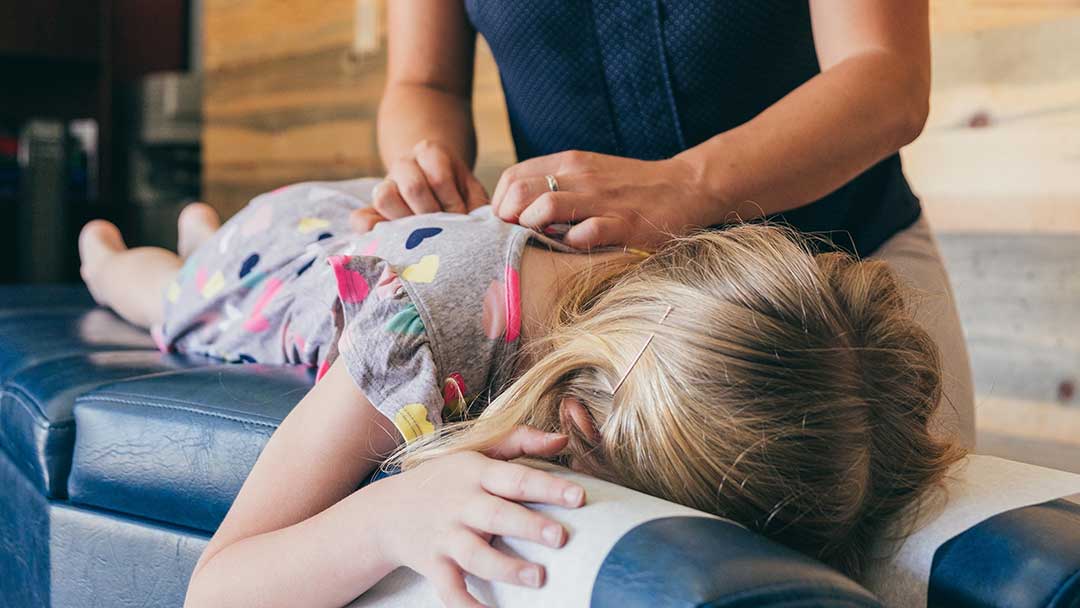
Chiropractic care, if used, should be complementary and should not delay evaluation by a clinician experienced in pediatric spinal conditions. Repeated adjustments should not be used as a substitute for monitoring a known curve.
What about adults with scoliosis?
In adults, treatment is often directed at pain, stiffness, nerve irritation, and maintaining daily function. The curve may have been present since adolescence, or it may become symptomatic later because of disc wear, arthritis, muscle deconditioning, or narrowing around spinal nerves.
Exercise and physical therapy may help maintain movement and reduce discomfort, although they generally do not straighten the curve. Adult treatment can also include medication, carefully selected injections, or surgery when there is severe progression, disabling pain, or significant nerve compression. ([nhs.uk](https://www.nhs.uk/conditions/scoliosis/treatment-in-adults/?utm_source=openai))
For people managing winter conditions in German Flatts, symptoms may become more noticeable when activity decreases, outdoor walking is limited, or snow and ice increase the physical demands of driving, shoveling, and carrying supplies. Staying safely active, changing positions regularly, and avoiding sudden heavy lifting may help reduce flare-ups. Cold weather itself does not usually cause scoliosis to worsen, but it can contribute to muscle stiffness and reduced activity.
What safety concerns should be considered?
Spinal manipulation commonly causes temporary soreness, stiffness, or increased discomfort. Serious complications are rare, but they have been reported, and risk may be higher when underlying health problems have not been identified. A thorough health history is therefore essential. ([nccih.nih.gov](https://www.nccih.nih.gov/health/spinal-manipulation-what-you-need-to-know?utm_source=openai))
Extra caution is appropriate if there is:
- New or worsening weakness
- Loss of balance
- Numbness spreading into an arm or leg
- Loss of bowel or bladder control
- Severe pain after a fall
- Fever, unexplained weight loss, or a history of cancer
- Sudden severe back pain in a person at risk for fracture
- Rapidly changing spinal appearance
These symptoms require medical evaluation rather than routine manual treatment. Neck manipulation deserves separate discussion because rare but serious vascular complications have been reported; people should understand the potential risks and alternatives before consenting to it. ([nccih.nih.gov](https://www.nccih.nih.gov/health/spinal-manipulation-what-you-need-to-know?utm_source=openai))
How should residents judge claims about scoliosis treatment?
Be cautious with promises that an adjustment, shoe insert, supplement, or short treatment program will permanently “realign” the spine. A credible plan should explain what is known, what remains uncertain, what alternatives exist, and when reassessment is needed.
The most balanced view is that chiropractic care may have a limited supportive role for selected pain and movement concerns, particularly when coordinated with appropriate medical evaluation and exercise. It should not be described as a cure for scoliosis or as a replacement for evidence-based monitoring and treatment.
