
 See Our Latest Article on HelloNation
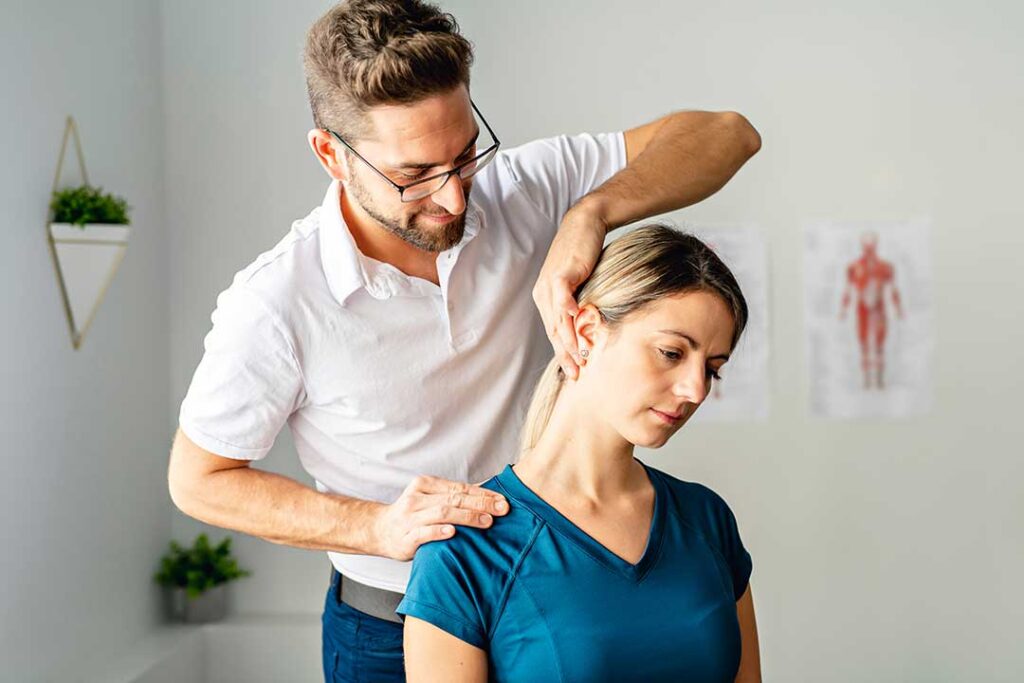
Recurring neck pain is often linked to a combination of prolonged positioning, muscle weakness, limited movement, stress, sleep habits, or a previous injury. Prevention usually depends less on one perfect posture and more on changing positions regularly, building supportive strength, and recognizing warning signs early.
Why does neck pain keep coming back?
Repeated pain may occur because the original strain has not fully settled, or because the same daily stress continues. Common contributors include looking down at a phone, working at a low surface, driving for long periods, carrying weight on one shoulder, or sleeping with the head angled sharply.
Neck discomfort may also be related to age-related joint changes, irritation of a nerve, arthritis, or a prior whiplash injury. A recurring pattern does not automatically mean there is serious damage, but pain that repeatedly returns deserves attention to its triggers and timing.
In German Flatts, seasonal routines can add practical challenges. Snow removal, winter travel, heavier outdoor clothing, and extended time indoors at desks or on couches may all change how the neck and shoulders are used. Cold weather does not directly “cause” every episode, but reduced activity and sustained muscle tension can make stiffness more noticeable.
What daily habits help prevent another episode?
The most useful habit is to avoid holding the neck in one position for too long. The head should remain generally balanced over the shoulders rather than projected forward. Small changes repeated throughout the day are usually more realistic than trying to maintain rigid posture continuously.
Helpful adjustments include:
- Raise a phone or tablet closer to eye level instead of bending the neck downward.
- Change position every 20 to 30 minutes when reading, using a screen, or doing seated work.
- Keep both feet supported when sitting, with the shoulders relaxed and elbows close to the body.
- Avoid cradling a phone between the ear and shoulder.
- Carry lighter loads, and use both backpack straps when possible.
- Alternate tasks during household work, yard work, snow shoveling, or other repetitive activities.
- Turn the whole body when checking a direction instead of repeatedly twisting only the neck.
A useful goal is “variety,” not perfect stillness. Even a well-arranged workstation can become uncomfortable if the body remains motionless for hours. Regular movement breaks and proper screen height are commonly recommended strategies for reducing neck strain. ([mayoclinic.org](https://www.mayoclinic.org/diseases-conditions/neck-pain/symptoms-causes/syc-20375581?utm_source=openai))
How should a home or work area be arranged?
A screen should be positioned so that the upper portion is near eye level, allowing the head to remain relatively upright. The chair should support the back, and the feet should rest on the floor or a stable footrest. The keyboard and mouse should be close enough that the shoulders do not reach forward.
For household tasks, bring the work toward a comfortable height when practical. Repeatedly bending over a low table, sink, laundry basket, or work surface can load the neck and upper back. When lifting, keep objects close to the body and avoid sudden turning while carrying them.
Drivers should position the seat and head restraint so the head is supported without forcing the chin forward. Long trips may require planned stops to walk briefly and move the shoulders and neck gently.
Which exercises can reduce recurrence?
Gentle, consistent movement is generally more useful than complete rest. Exercises should not cause sharp pain, spreading symptoms, dizziness, or increasing numbness. Begin with comfortable motion and progress gradually.
Examples may include:
- Slowly turning the head left and right within a comfortable range.
- Gently bringing the chin backward, as if making a small double chin, without looking down.
- Drawing the shoulder blades slightly together and downward.
- Performing light upper-back mobility movements.
- Walking regularly to reduce prolonged sitting and general stiffness.
For recurring symptoms, strengthening the neck, shoulder, and upper-back muscles may improve control and movement tolerance. Evidence-based guidance supports exercise for persistent or chronic nonspecific neck pain, but the specific program should match the person’s symptoms, health history, and physical abilities. ([ncbi.nlm.nih.gov](https://www.ncbi.nlm.nih.gov/books/NBK338118/?utm_source=openai))
Avoid forceful neck stretching, rapid self-manipulation, or exercises copied from a video if they worsen symptoms. Mild muscle effort can be expected; escalating pain is a signal to stop and reassess.
Can sleep position make neck pain return?
Yes. Sleeping with the neck rotated, sharply bent, or unsupported may contribute to morning stiffness. The aim is to keep the head generally aligned with the rest of the spine.
A pillow that is too high can push the head sideways, while one that is too low may allow it to drop backward or rotate. Side sleepers often need enough support to fill the space between the shoulder and head. Back sleepers may be more comfortable with modest support rather than a thick pillow. Stomach sleeping commonly keeps the neck turned for extended periods and may be worth avoiding if it reliably triggers symptoms.
There is no single pillow type that works for everyone. Comfort, alignment, and whether symptoms are better or worse in the morning are more useful guides than marketing descriptions.
What role do stress and muscle tension play?
Stress can increase shoulder elevation, jaw clenching, shallow breathing, and general muscle guarding. These responses may not be the original cause of pain, but they can make discomfort persist or return.
Short movement breaks, slower breathing, walking, adequate sleep, and reducing unnecessary shoulder tension may help. Notice whether symptoms worsen during deadlines, long screen sessions, difficult household tasks, or poor sleep. Identifying the pattern can make prevention more specific.
Smoking is also associated with a higher risk of neck pain and can affect overall tissue health. Anyone who smokes and wants to stop can discuss evidence-based cessation options with a qualified healthcare professional. ([mayoclinic.org](https://www.mayoclinic.org/diseases-conditions/neck-pain/symptoms-causes/syc-20375581?utm_source=openai))
When is recurring neck pain a reason to seek medical evaluation?
Persistent or worsening pain should not be managed only with posture changes. Medical evaluation is especially important when pain follows a fall, crash, sports injury, or other significant impact.
Prompt assessment is also appropriate for neck pain accompanied by:
- Numbness, tingling, or weakness in an arm or hand
- Pain spreading into an arm or leg
- Severe headache, fever, confusion, or unusual sensitivity to light
- Trouble walking, clumsy hands, or changes in balance
- Loss of bladder or bowel control
- Severe pain that does not improve or interferes with normal activity
Emergency care may be needed after a serious injury or when neurological symptoms appear suddenly. These signs can indicate a problem beyond ordinary muscle tension. ([mayoclinic.org](https://www.mayoclinic.org/diseases-conditions/neck-pain/symptoms-causes/syc-20375581?utm_source=openai))
A practical prevention plan is to track what happens before each episode: sleep position, screen time, driving, lifting, stress, exercise, and any arm symptoms. That record can help distinguish a simple activity-related pattern from a problem requiring further evaluation.
