
 See Our Latest Article on HelloNation
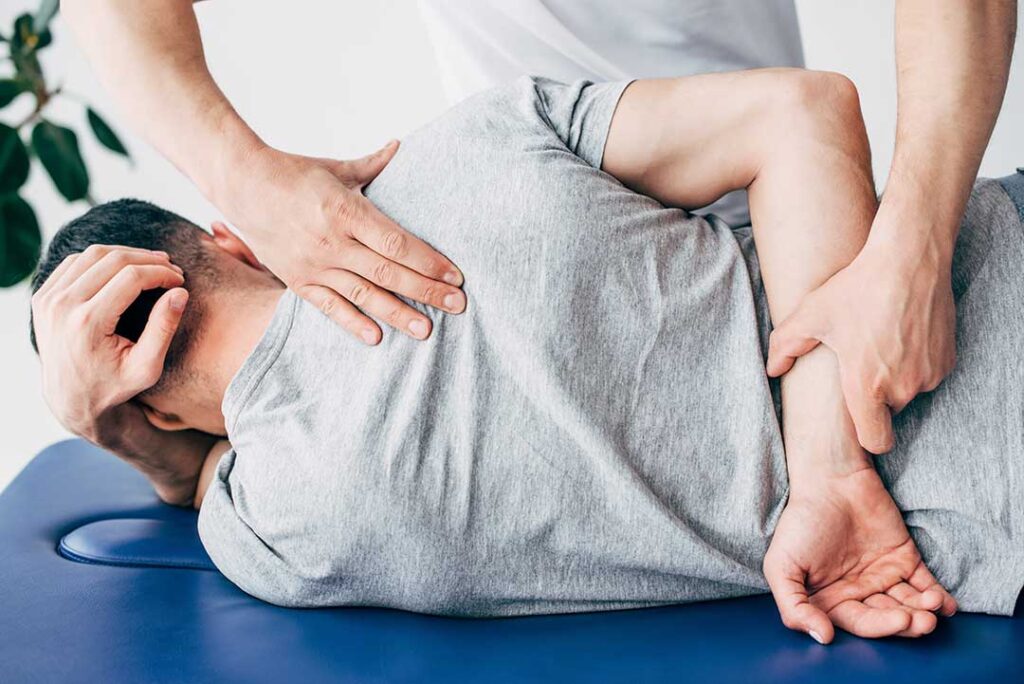
Why Do Balance Problems Happen for Many Residents?
Many local residents develop balance problems for reasons ranging from age-related changes to health conditions and accidents. In a region like German Flatts, where icy sidewalks and uneven ground are common in colder months, even mild balance issues can increase the risk of falls and injuries. Common factors that may affect balance include:
- Inner ear disturbances
- Medications or health conditions (like diabetes or arthritis)
- Weak muscles or poor vision
- Changes in spinal posture or alignment
Disruptions in the body's center of gravity can be particularly problematic, making everyday activities—like shoveling snow or walking to the mailbox—challenging for some area households.
How Is Balance Connected to the Spine?
The spine plays a major role in the body's ability to maintain balance. The central nervous system, which coordinates balance, stability, and movement, depends on accurate information from the spine.
When the vertebrae are properly aligned, nerve signals travel freely from the brain to the rest of the body. This allows back muscles, legs, and even the inner ear to cooperate seamlessly in keeping individuals upright.
However, if spinal alignment is altered—such as from poor posture, repetitive strain, or previous injuries—nerve communication may be disrupted. This can cause subtle problems with awareness of body position, slow reaction times, or muscle compensation that throws off balance.
What Are Some Signs Spinal Alignment May Be Affecting Balance?
Directly connecting balance issues to the spine isn't always obvious. The following signs may suggest a link:
- Feeling unsteady, especially when shifting between sitting and standing
- A noticeable lean or head tilt while walking
- Recurring neck or lower back pain along with balance changes
- Needing walls or furniture for support more frequently
- Stiffness in the back after physical activity or after sitting
During the winter in German Flatts, residents may first notice these changes when navigating icy walkways or carrying groceries over snowbanks, as these situations require quick and coordinated balance responses.
Are Certain Residents at Greater Risk Due to Spinal Alignment?
Yes, some community members are more likely to be affected. These include:
- Older adults experiencing natural degeneration of the spine or arthritis
- Individuals with physically demanding jobs or repetitive motion activities, common in both outdoor and warehouse work seen in the region
- People recovering from slips, falls, or vehicular accidents—which are more frequent during harsh weather
- Those who spend long hours sitting, such as remote workers, students, or retirees engaging in hobbies indoors
Local context—such as the prevalence of snow shoveling and navigating uneven rural terrain—can put extra strain on the spine. This can amplify the effects of poor alignment on balance.
What Other Factors Can Mimic Balance Issues Related to the Spine?
Not all balance problems are spinal in origin. It's important to rule out:
- Medications that may cause dizziness or drowsiness
- Low blood pressure, especially after standing up quickly
- Vision changes or reduced depth perception from age or illness
- Ear infections or inner ear disturbances
- Side effects from chronic health conditions
In German Flatts, many residents experience seasonal allergies or sinus congestion, which can affect equilibrium on their own.
What Are Practical Steps Residents Can Take for Better Balance and Spinal Health?
Local residents can often support both balance and the health of their spine by making a few adjustments:
- Stay active year-round, with safe movement indoors during icy weather
- Focus on good posture while sitting at a desk or driving
- Lift heavy objects—including shovels full of snow—with the legs, not the back
- Use proper footwear on slick surfaces to prevent slips and falls
- Perform daily stretching exercises aimed at improving flexibility and core strength
- Take breaks during extended periods of sitting, common during winter months
If pain, tingling, or new weakness develops suddenly—especially after a fall or accident—it's wise to seek immediate medical evaluation, as these may indicate an injury requiring prompt attention.
Can Balance and Spinal Alignment Problems Improve Over Time?
Minor disruptions in balance related to posture or muscle tension often respond well to regular movement and simple lifestyle changes. Residents who make consistent efforts to maintain flexibility, strength, and awareness of their movements are less likely to see issues worsen.
Ongoing or severe symptoms may indicate underlying spinal problems or other health concerns. In rare cases, a thorough evaluation by a healthcare provider may be needed to uncover more serious or complex conditions.
