
 See Our Latest Article on HelloNation
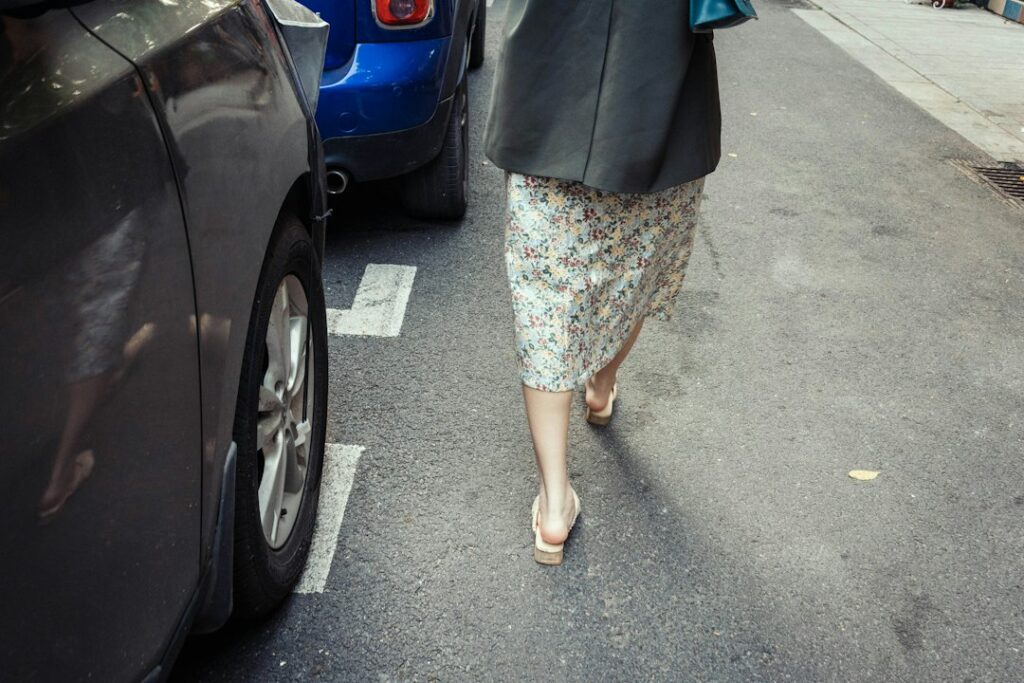
High heels can change how the feet, ankles, knees, hips, pelvis, and spine share body weight. For some people, occasional use causes little trouble. For others, especially during long periods of standing or walking, elevated shoes may contribute to low back discomfort, muscle fatigue, balance problems, or pain that continues after the shoes are removed.
Why can high heels affect the back?
High heels shift the body’s weight forward toward the balls of the feet. To remain upright, the body makes adjustments through the ankles, knees, hips, pelvis, and trunk. These adjustments may include greater knee bending, increased activity in the hip muscles, changes in pelvic movement, and more tension in muscles around the lower back.
The result is not always a dramatic change in spinal curvature. Research on posture is mixed, and people respond differently depending on heel height, shoe shape, walking habits, body structure, and experience wearing heels. However, high heels clearly alter lower-limb mechanics and balance, which can increase the physical demands placed on the back.
Pain may develop because muscles are working continuously to stabilize the body rather than because the spine has been “damaged” by a single event.
What symptoms can develop?
The most common complaint is aching or tightness in the lower back after standing or walking in heels. Some people notice symptoms in other areas first, including:
- Burning or soreness beneath the forefoot
- Calf tightness or cramping
- Ankle fatigue or instability
- Knee discomfort
- Hip soreness
- Tension through the buttocks or lower back
- Neck or shoulder tightness caused by whole-body postural compensation
Symptoms may be temporary and improve after changing footwear. In other cases, repeated irritation can make ordinary activities uncomfortable, particularly if a person already has limited ankle motion, weak hip muscles, poor balance, or a history of back pain.
A shoe does not need to have a very tall heel to create a problem. A narrow toe box, unstable heel, rigid sole, poor cushioning, or a large difference between heel and toe height can also increase stress.
Does wearing high heels permanently damage the spine?
Not necessarily. Occasional high-heel use does not automatically cause permanent spinal damage. The relationship between heel height and lumbar curvature is more complicated than the common claim that heels always force the lower back into an exaggerated arch.
Some studies show changes in pelvic position or muscle activity, while others find little meaningful change in lumbar curvature during walking. These differences reflect the many variables involved, including whether a person is standing or moving, how long the shoes are worn, and whether the wearer is accustomed to them.
The more practical concern is cumulative strain. Repeated exposure to altered balance, increased forefoot pressure, and prolonged muscle activation may contribute to recurring pain or reduced tolerance for standing. Persistent symptoms should not be blamed on footwear alone, because arthritis, disc-related conditions, muscle strain, hip problems, and other causes can produce similar complaints.
Which factors make discomfort more likely?
Risk tends to increase when several stressors occur at the same time. Examples include:
- Heels higher than a person is accustomed to wearing
- Wearing the shoes for several hours without a break
- Walking long distances or standing on hard flooring
- Thin or unstable heels that make balance difficult
- Shoes that pinch the toes or allow the foot to slide forward
- Limited calf flexibility or ankle mobility
- Existing low back, hip, knee, or foot pain
- Fatigue, which reduces coordination and postural control
Age alone does not determine whether heels are safe or uncomfortable. However, balance, joint mobility, muscle strength, and recovery time can change over the years. A shoe that felt manageable in the past may become difficult after changes in activity level, injury, pregnancy, or general conditioning.
How can high heels be worn with less strain?
Reducing exposure and improving stability are usually more helpful than focusing on a single “correct” heel height. Practical steps include:
- Choose a lower, wider heel when possible.
- Use shoes with a secure fastening system rather than loose slip-on styles.
- Select enough room for the toes to rest without being compressed.
- Avoid suddenly switching from flat shoes to very high heels for a long event.
- Change into supportive, flexible footwear for commuting or extended walking.
- Take seated breaks during prolonged standing.
- Alternate tasks so the same muscles are not working continuously.
- Practice gentle calf, hip, and foot mobility after wearing heels.
- Replace worn soles or damaged heel tips that make the shoe unstable.

For residents in German Flatts, winter and early spring conditions add another consideration. Ice, packed snow, wet pavement, and uneven walking surfaces reduce traction and increase the effort required to stay balanced. High heels with small contact points are especially difficult on slippery or irregular ground. Safer footwear for outdoor travel can reduce fall risk and prevent sudden twisting injuries that affect the back.
Can exercises help?
Exercise can improve the body’s ability to tolerate footwear changes, although it cannot eliminate every risk. Useful areas to address include calf flexibility, ankle control, hip strength, trunk endurance, and balance.
Simple activities may include:
- Slow calf raises while holding a stable surface
- Gentle calf stretching with the heel supported
- Controlled sit-to-stand movements
- Side-stepping with attention to knee alignment
- Short periods of single-leg balance near a countertop
- Walking in comfortable shoes while maintaining a relaxed stride
Exercises should be gradual and should not cause sharp pain, numbness, or worsening symptoms later in the day. A person with a recent injury, significant weakness, or a diagnosed spinal condition may need individualized guidance before beginning a new routine.
When is back pain a warning sign?
Footwear-related soreness generally improves with rest, changing shoes, and ordinary movement. Medical evaluation is more appropriate when pain is severe, persistent, or associated with other symptoms.
Seek prompt medical attention for back pain accompanied by:
- New loss of bladder or bowel control
- Numbness around the inner thighs or groin
- Progressive leg weakness
- Difficulty walking that is rapidly worsening
- Fever, unexplained weight loss, or feeling seriously ill
- Pain after a significant fall or collision
Pain that travels down a leg, causes ongoing tingling, or repeatedly returns despite changing footwear also deserves assessment. The goal is to determine whether the shoes are contributing to a broader movement problem or whether another condition is responsible.
High heels are not automatically harmful, and flat shoes are not automatically ideal for every person. The most useful approach is to consider height, stability, fit, duration, walking surface, and the individual’s symptoms. Paying attention to how the entire body responds can help local residents make footwear choices that support comfort without treating fashion, work demands, or special occasions as all-or-nothing decisions.
