
 See Our Latest Article on HelloNation
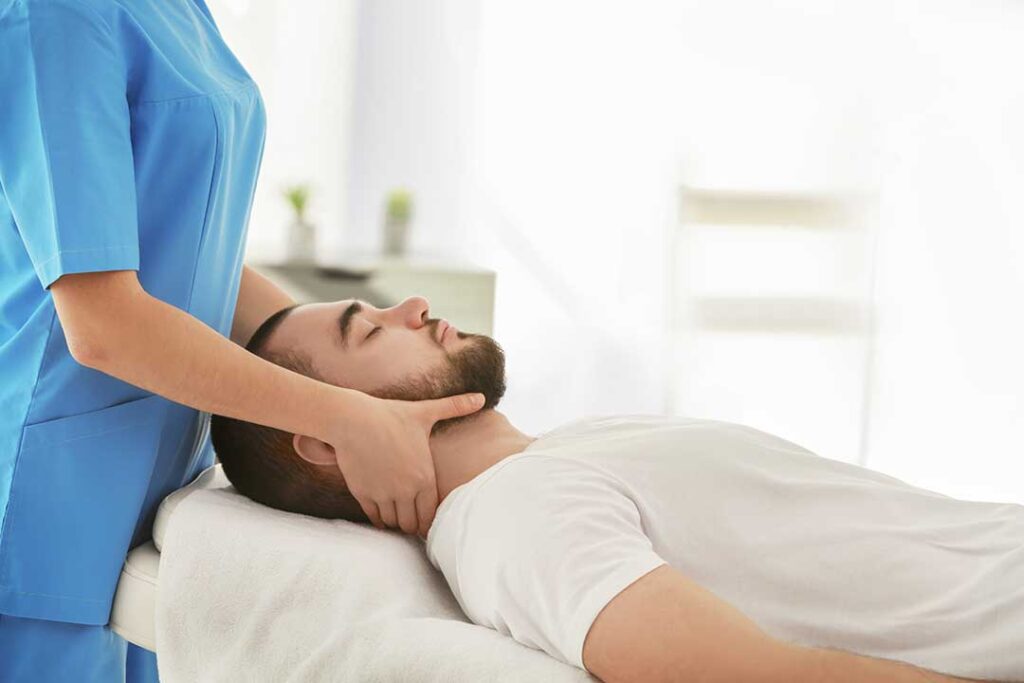
What Does “Improving Mobility” Mean for Local Residents?
Improving mobility means increasing your ability to move with less pain, better flexibility, and more confidence during daily activities. For individuals in German Flatts, this can be especially relevant in winter, when snow and ice make getting around more challenging, or for those enjoying the area’s parks and walking paths during warmer months.
Mobility isn’t just about athletic ability—it affects how you get out of bed, carry groceries, or tend to your home and garden. Addressing stiffness, discomfort, or limited movement early can help prevent more serious issues later.
How Can Everyday Habits Support Better Movement?
Regular, gentle movement is one of the most effective natural ways to support mobility. Unlike high-intensity exercise, the focus is on sustaining function rather than performance. For residents of German Flatts, these small adjustments can build up over time:
- Taking short walks around the neighborhood or a local park, even in cooler seasons, helps maintain joint function.
- Practicing gentle stretching routines each morning or before bed can reduce stiffness—especially important after shoveling snow or doing yardwork.
- Using stairs regularly, if available, builds leg and core strength when done safely.
- Gardening or doing light housework provides functional movement variety throughout the week.
Adjusting patterns to include these movements, with appropriate footwear in winter, can support joint health and all-around flexibility.
Are There Local Factors That Affect Mobility?
Weather and housing characteristics in the area can play a role. During icy or snowy periods in German Flatts, reduced sidewalk maintenance and outdoor hazards can make safe mobility more difficult, leading to “winter stiffness” or avoiding regular walks. In contrast, warmer months may encourage outdoor chores that sometimes trigger flare-ups of back or knee discomfort.
Indoor habits, such as spending extra time seated during cold stretches, can lead to tight hips and lower back tension. For residents in multistory homes, the use of stairs may affect how flexible and strong leg and hip muscles remain.
Mitigating these local influences may involve small environmental changes, like:
- Using supportive mats in the kitchen or laundry area if you stand for long periods.
- Keeping a sturdy shoe brush near entrances to reduce slipping hazards.
- Creating a small indoor space for floor stretches if outdoor activity is limited.
What Are Simple Home Techniques to Increase Flexibility?
Simple, low-risk routines done at home can help most area residents. To improve flexibility naturally, focus on consistency rather than intensity:
- Gentle yoga stretches like “cat-cow” or “child’s pose” relieve back and shoulder stiffness.
- Slow, controlled shoulder rolls, neck circles, and ankle rotations maintain joint range of motion.
- Passive stretching (holding a gentle stretch for 10–30 seconds) for hamstrings, calf muscles, and the lower back can be adapted to all ages.
- Foam rolling or using a tennis ball to gently massage leg and back muscles can help reduce tightness.
Always ease into new movements, and stop any activity that causes sharp or persistent pain.
How Important Is Core Strength for Mobility?
A strong core can relieve pressure on the back, hips, and knees. Residents with local winter chores (like snow shoveling) or summer activities (like gardening) benefit by stabilizing their movements and preventing strain.
Core strengthening does not require gym equipment. Functional activities and simple exercises—like “bridges,” “bird dogs,” and chair squats—can be done in short sessions indoors. Carrying laundry baskets, reaching for shelves, or climbing stairs (with care) also activate core stabilizers.
Good form is more valuable than the number of repetitions. For those who are new or returning to physical activity, starting with just a few reps and gradually increasing is safest.
What Role Does Posture Play Throughout the Day?
Posture matters—both while moving and at rest. Prolonged sitting, common during long cold spells, often leads to rounded shoulders and a forward head position, which can cause neck and back discomfort. This is especially relevant for area households with work-from-home setups or limited outdoor movement in winter.
To counteract these effects:
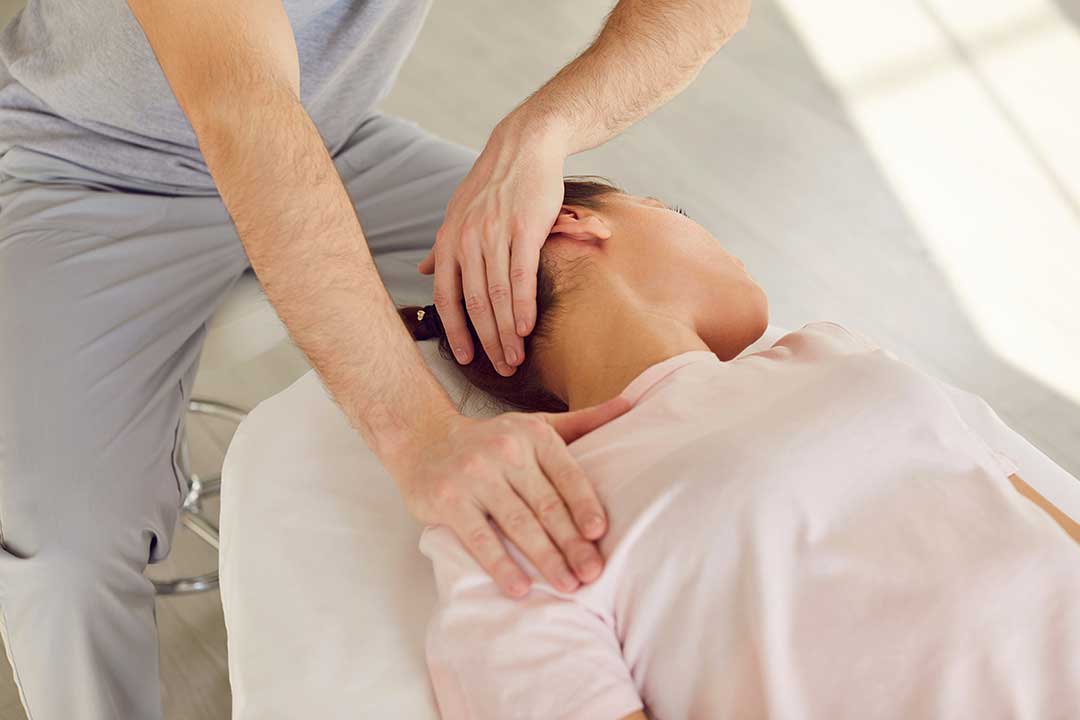
- Check sitting posture regularly—feet flat, back supported, and shoulders relaxed.
- Use a small pillow or rolled towel behind the lower back when seated for long periods.
- Stand up and gently stretch for one or two minutes every half hour if possible.
Developing awareness about posture while lifting, reaching, and bending can reduce the risk of aches and future mobility limitations.
How Can Residents Avoid Common Mobility Mistakes?
Assuming “no pain, no gain” can lead to unnecessary injuries, especially in middle-aged or older adults. Area residents often start activity routines too vigorously after winter or following periods of inactivity, which can worsen joint problems.
Common local misconceptions include:
- Equating mobility improvement with intense exercise or rapid progress.
- Ignoring mild, recurring discomfort until it disrupts daily life.
- Using poor body mechanics when shoveling snow or carrying heavy groceries.
Instead, listen to your body, favor gradual changes, and focus on technique rather than speed. Subtle, frequent movement changes are more sustainable for lifelong mobility.
Are There Natural Supports Residents Can Use?
Non-pharmaceutical tools can be useful for comfort and resilience. German Flatts households frequently rely on:
- Warm compresses or heat packs for soothing sore muscles in colder months.
- Epsom salt baths to relax tightness after yardwork or shoveling.
- Supportive footwear to decrease joint impact, especially on icy or uneven surfaces.
Hydration and balanced nutrition, including adequate leafy greens and sources of omega-3 fatty acids, can also help reduce stiffness over time.
When Is Further Help Needed?
While natural approaches are effective for most, persistent or worsening joint instability, significant falls, or sudden, severe pain may indicate the need for additional support. Residents should consider discussing their symptoms with a licensed healthcare provider in such cases, especially if mobility issues interfere with essential daily activities.
Small changes applied consistently often provide meaningful improvements in comfort, safety, and independence for the German Flatts community through all seasons.
