
 See Our Latest Article on HelloNation
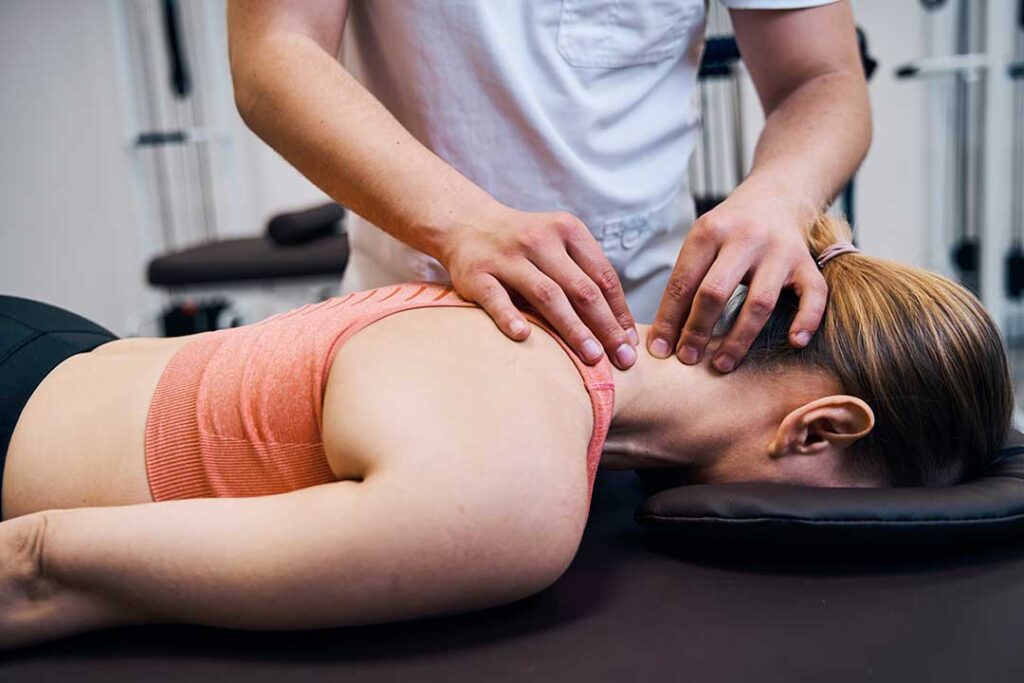
Why Are Sports-Related Back Injuries a Concern for German Flatts, NY Residents?
Active lifestyles in communities like German Flatts, NY, encourage participation in basketball, softball, soccer, and outdoor seasonal activities. Unfortunately, these activities can put extra strain on the back — especially when combined with the local region’s varying weather, uneven terrain, and the mixed skill levels common in community or school sports programs. Back injuries can range from mild muscle strains to more persistent discomfort that disrupts work, school, or home responsibilities. Staying informed about how these injuries happen and how to prevent them helps keep residents moving confidently.
What Causes Back Injuries During Sports?
Back injuries during recreational and school sports often result from a mix of factors, including overuse, improper warm-up, poor technique, and unexpected slips or falls. In German Flatts, outdoor sports played on wet grass, soft earth, or icy patches can increase the risk of sudden twisting or awkward landings. For those who join community leagues or informal games, a lack of regular training or rushing into play after periods of inactivity may also contribute to strains or sprains.
Some overlooked factors include:
- Failing to stretch after long car rides to tournaments or practices
- Returning to activity too soon after a previous injury
- Using old or ill-fitting gear, such as worn-down cleats or non-supportive shoes
How Can Stretching and Warm-Ups Lower Your Risk?
A few minutes of targeted movement before activity can help prepare the lower back and core muscles, improving flexibility and circulation. Thorough warm-ups are especially helpful during cold months or early spring when tight muscles make strains more likely.
Key steps for effective pre-sport preparation:
- Start with five minutes of light jogging or brisk walking.
- Add gentle dynamic stretching: torso twists, hip rotations, and leg swings.
- Focus on activating core muscles — basic planks or bridging exercises work well.
Local sports coaches often recommend cooling down with static stretches for the hamstrings, hip flexors, and lower back after finishing play, which can ease muscle tension and reduce next-day discomfort.
Does Strength Training Really Matter for Back Health?
Yes. Consistent core strength helps stabilize the back during fast movements, uneven ground, or when carrying heavier gym equipment. In the German Flatts community, simple bodyweight routines at home or in local gyms make a big difference in controlling risk — expensive equipment isn’t necessary.
Beneficial core exercises include:
- Modified planks
- Side-bridges
- Gentle bird-dogs
Some residents overlook balance work, but activities like standing yoga poses or stability ball routines add crucial support for the spine, particularly in sports that involve sudden stops or turns.
What Role Does Technique Play in Prevention?
Using proper movement form protects the spine from repeated stress and accidental twinges. For example, young athletes learning correct landing mechanics in volleyball or basketball reduce the risk of jarring the lower back. Learning how to twist the torso with the hips (rather than just the spine) is helpful in softball, baseball, and even golf.
Adults and teens are advised to:
- Take extra care shoveling snow off local driveways before winter games — bending and twisting incorrectly is a frequent source of lower back twinges.
- Use knee-bending lifts rather than back-bending when picking up or carrying gear, especially after a long practice or game.
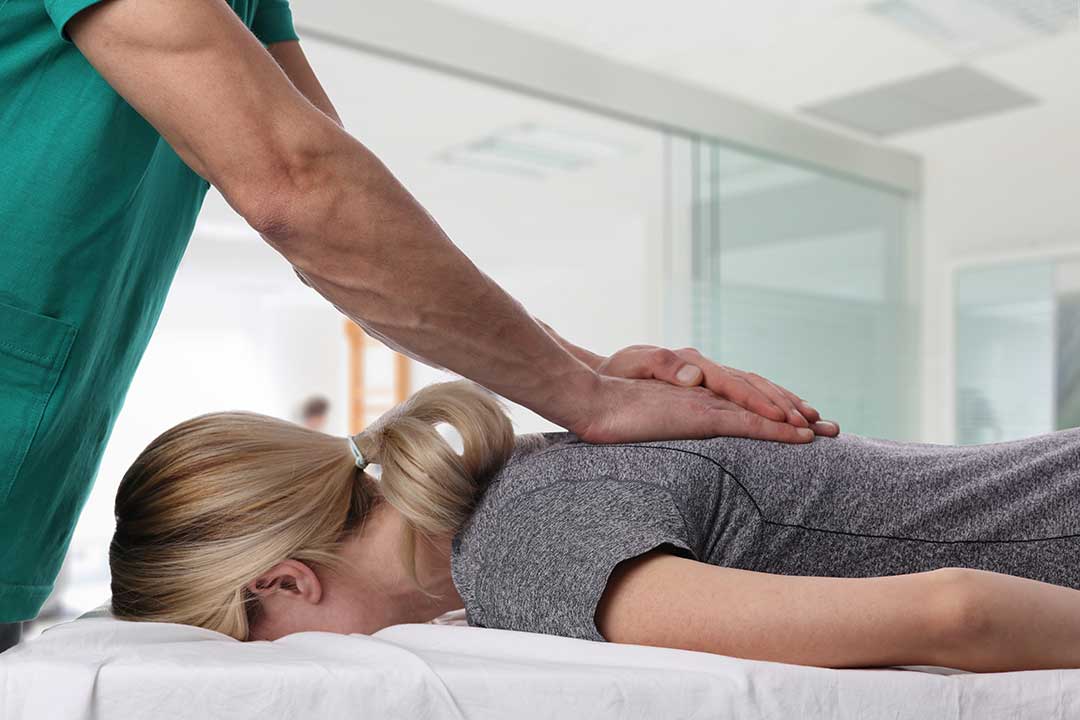
Checking in with certified local sports officials or coaches about up-to-date safety technique — especially for new sports or after a period of inactivity — is a good habit.
How Does Rest and Recovery Affect Injury Rates?
Participating in back-to-back games, tournaments, or training sessions can lead to gradual muscle overload or fatigue, raising the chance of strains. In the German Flatts area, where daylight hours and field schedules can sometimes lead to packed weekend lineups, it’s easy to overlook rest days.
Recovery strategies that can lower risk include:
- Alternating practice intensity (high, low, rest)
- Prioritizing sleep after physical activity
- Using cold packs or gentle stretching for post-activity soreness
Local families sometimes believe “pushing through” mild discomfort is harmless, but early rest often means shorter recovery times later — especially for teens and middle-aged players.
What Kind of Equipment and Environment Adjustments Can Help?
Outdoor fields, community gyms, and local playgrounds vary in surface condition — muddy or frozen patches are common during seasonal transitions. Ensuring footwear is in good condition, with soles appropriate for the surface, helps prevent slips and awkward movements. For indoor sport seasons, using mats or cushioned shoes supports the lower back during repetitive sports like wrestling, gymnastics, or aerobic activities.
Other helpful tips:
- Double-check for uneven surfaces before informal backyard games or pickup matches in parks.
- Dress in layers for outdoor play in fluctuating weather to keep back muscles warm and responsive.
When Should You Seek Medical Evaluation?
Most mild back aches after sports resolve with a day or two of rest, gentle stretching, and basic care. However, any back pain that persists for more than a few days, worsens with rest, or includes symptoms such as leg weakness, numbness, or loss of coordination should be promptly evaluated by a healthcare provider. These symptoms could signal something more than a simple strain and need attention.
Although many residents handle minor discomfort at home, overlooking persistent pain can delay recovery or lead to more serious issues — especially for young athletes or older adults.
