
 See Our Latest Article on HelloNation
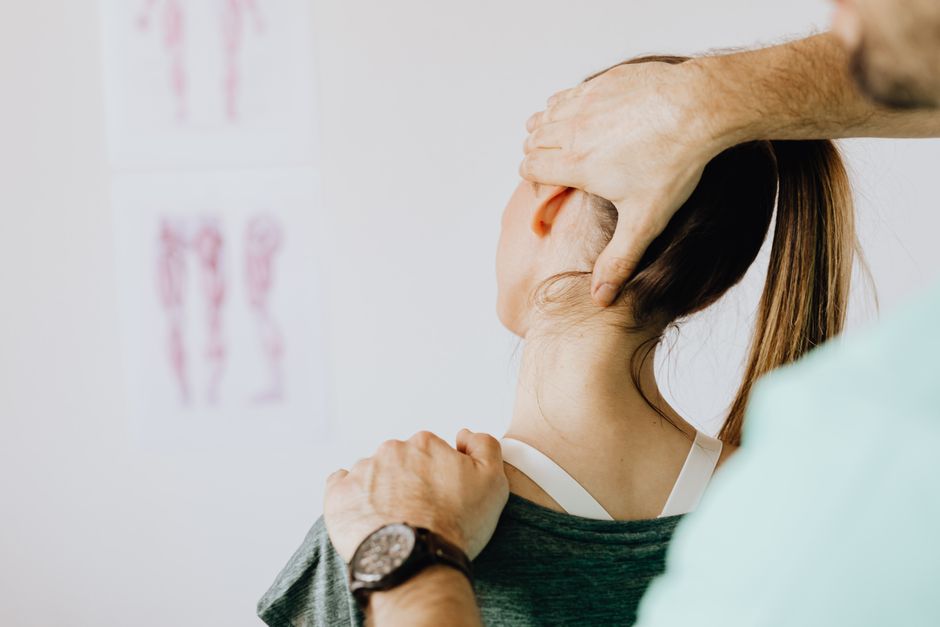
Pain is not always felt at the place where it begins. A problem in the neck may be noticed in the shoulder or arm, while irritation in the lower back or hip can be felt in the buttock or thigh. This pattern is called referred pain, and understanding it can help residents of German Flatts, NY make better decisions about self-care and evaluation.
What is referred pain?
Referred pain is pain perceived in an area away from the tissue or structure causing the problem. It is different from pain caused directly by an injured nerve.
For example, strained muscles and irritated joints in the upper back may create aching across the shoulder blade. A hip joint problem may be felt in the groin, thigh, or knee. Trigger points in tight muscles can also produce discomfort in another nearby region.
Referred pain is often:
- Dull, aching, deep, or difficult to pinpoint
- Felt over a broader area rather than in a narrow line
- Influenced by movement, posture, lifting, or sustained activity
- Present without obvious numbness or muscle weakness
The nervous system helps explain this pattern. Signals from different body structures can enter related areas of the spinal cord, making it harder for the brain to identify the exact source. This does not mean the pain is imaginary. It means the location of the pain is not always the location of the underlying problem.
How is referred pain different from nerve pain?
Referred pain and nerve-related pain can overlap, but they are not the same.
Nerve pain, sometimes associated with radiculopathy or sciatica, may travel along a more recognizable pathway. It can feel burning, electric, shooting, or “pins and needles.” Numbness, tingling, reflex changes, or weakness may also occur.
Referred muscle or joint pain is more likely to feel sore, heavy, tight, or aching. It may change with local pressure or movement without producing clear sensory loss.
These patterns are not reliable enough to diagnose a condition by symptoms alone. A careful evaluation considers the location, onset, activities that worsen or relieve the pain, strength, sensation, reflexes, medical history, and any warning signs.
What commonly causes pain that spreads?
Several musculoskeletal problems can produce symptoms away from the original source:
- Muscle strain after lifting, reaching, shoveling, or repetitive work
- Irritated spinal joints
- Disc-related inflammation
- Hip or pelvic joint problems
- Tight or overloaded muscles in the neck, shoulders, back, or buttocks
- Poor movement mechanics after an injury
- Prolonged sitting or awkward sleeping positions
Seasonal tasks can contribute. Snow clearing, carrying firewood, moving heavy containers, and working in cold conditions may place sudden demands on muscles that are not accustomed to repeated lifting or twisting. Cold weather can also encourage people to remain less active, which may increase stiffness and make a return to physical work more difficult.
Referred pain can also arise from organs rather than muscles, joints, or the spine. Chest, abdominal, kidney, or vascular problems may sometimes be experienced as back, shoulder, or neck pain. That is why location alone should not be used to assume that a symptom is purely mechanical.
Can chiropractic care help referred pain?
Chiropractic care may help when referred pain is related to a musculoskeletal problem, particularly when treatment includes a broader plan rather than relying on one technique. Assessment may involve movement testing, examination of nearby joints and muscles, and screening for nerve involvement or medical warning signs.
Depending on the findings, care may include:
- Spinal or joint mobilization
- Carefully selected manipulation
- Soft-tissue techniques
- Mobility and strengthening exercises
- Advice about lifting, posture, pacing, and activity modification
Research supports spinal manipulation or mobilization as one nondrug option for some adults with acute or chronic low-back pain and certain types of neck pain. Benefits are generally modest, and treatment is not appropriate for every cause of referred pain. A plan should match the suspected source, the person’s health history, and functional goals.
Chiropractic treatment should not be presented as a way to treat unrelated internal diseases. If the pattern suggests a heart, lung, abdominal, kidney, vascular, infectious, or other medical problem, medical evaluation takes priority.
What should happen during an evaluation?
A useful evaluation begins with questions rather than immediately treating the painful area. Important details include:
- When the pain began and whether there was an injury
- Whether symptoms travel, tingle, or cause numbness
- What movements, positions, or activities change the pain
- Whether coughing, sneezing, or straining makes symptoms worse
- Changes in strength, walking, balance, or coordination
- Fever, unexplained weight loss, recent infection, or unusual fatigue
- Current medications, osteoporosis, cancer history, pregnancy, or major medical conditions
Imaging is not automatically needed for every episode of back, neck, or shoulder pain. It is more often considered when there was significant trauma, progressive neurological change, suspected fracture, infection, cancer, or symptoms that do not improve as expected.
When should referred pain be treated as urgent?
Prompt medical attention is appropriate for pain accompanied by:
- New or worsening weakness in an arm or leg
- Loss of bladder or bowel control
- Numbness around the inner thighs or groin
- Severe pain after a major fall, crash, or other trauma
- Fever, chills, or feeling acutely ill
- Unexplained weight loss or a history of cancer
- Chest pressure, shortness of breath, sweating, faintness, or nausea
- Sudden severe headache, facial weakness, trouble speaking, or vision changes
- Severe abdominal pain or back pain that feels unrelated to movement
Neck manipulation deserves particular caution when a person has unusual sudden neck pain, neurological symptoms, a recent significant injury, a bleeding disorder, severe osteoporosis, or another condition that may make forceful movement unsafe. Mild soreness or stiffness can occur after manipulation, but serious or unusual symptoms should not be ignored.
What can residents do at home?
For a mild, recent musculoskeletal episode, relative rest is usually more useful than staying in bed. Gentle walking, comfortable movement, changing positions regularly, and avoiding repeated heavy lifting may help. Heat can ease muscle stiffness, while cold may feel better after a recent strain. Neither should be applied long enough to injure the skin.
During seasonal outdoor work, break heavy tasks into smaller loads, warm up before lifting, keep objects close to the body, and avoid twisting while carrying. Pain that repeatedly returns during the same task may indicate a movement or workload problem worth evaluating.
The central point is simple: pain felt in one location may originate elsewhere. Chiropractic care can be considered for selected musculoskeletal causes, but safe care depends on identifying the source, recognizing neurological or medical warning signs, and using treatment as part of a measured plan that may include exercise, activity changes, and coordination with medical care when needed.
